
Supervision Beyond Case Management
Developing Confidence, Voice and Direction

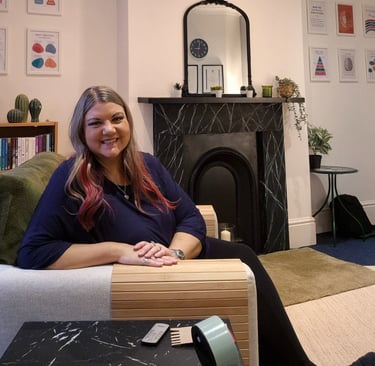
Supervision Beyond Case Management: Developing Confidence, Voice and Direction
Clinical supervision beyond case management. Exploring how reflective supervision supports therapist confidence, professional voice and long-term career direction in private practice.
When supervision becomes more than case discussion
For many therapists, supervision begins as a place to bring client material, check ethical decisions and ensure safe practice. Case management is an essential part of supervision, particularly early on, and continues to matter throughout a therapist’s career.
However, as therapists become more established, supervision often needs to shift. The questions change. The focus widens. The work becomes less about what to do next and more about how and why we work in the way we do.
At this stage, supervision can become a space not just for managing cases, but for developing confidence, professional voice and a clearer sense of direction.
Moving from reassurance to reflection
When therapists are newer to the work, supervision often centres on reassurance:
Am I doing this right?
Did I miss something important?
What should I do next?
As experience grows, many therapists find they no longer need constant reassurance — but they do need space to think. Supervision beyond case management allows room for reflection that isn’t driven by anxiety, but by curiosity and professional responsibility.
This kind of supervision supports therapists to:
trust their clinical judgement
tolerate uncertainty without rushing to solutions
reflect on impact rather than outcomes alone
think across themes and patterns, not just individual sessions
Developing confidence as a therapist
Confidence in therapy work doesn’t come from certainty or expertise alone. It develops through reflection, experience and the ability to hold complexity without becoming overwhelmed.
Supervision can support confidence by:
exploring moments of doubt rather than bypassing them
noticing where competence is already present
understanding emotional responses to client work
strengthening ethical and clinical reasoning
Confidence grows when therapists feel able to think clearly, ask questions and make decisions that feel grounded rather than reactive.
Finding and refining your professional voice
As therapists move further into their careers, many begin to ask:
Who am I as a therapist?
What matters most to me in my work?
How do I practise in a way that feels authentic?
Supervision beyond case management creates space to explore professional voice — the way a therapist thinks, speaks, relates and works clinically. This includes:
therapeutic stance and values
boundaries and use of self
relational style and presence
how identity and lived experience shape the work
Developing a professional voice isn’t about fitting into a particular model. It’s about working with integrity, clarity and self-awareness.
Supervision and long-term career direction
For therapists building a long-term career, supervision often holds questions beyond the therapy room. Clinical work exists within a wider professional context, particularly for those in private practice.
Supervision may include reflection on:
workload, capacity and sustainability
professional development and specialisms
boundaries around availability and responsibility
preventing burnout and emotional depletion
Rather than separating clinical work from professional reality, supervision can integrate the two — supporting therapists to build careers that are both meaningful and sustainable.
From case focus to pattern recognition
Supervision beyond case management often involves stepping back and looking across the work as a whole. This allows therapists to notice:
recurring relational patterns
themes across different client presentations
countertransference and parallel process
how personal and professional development intersect
This broader perspective supports clinical depth and helps therapists work with greater intentionality over time.
Supervision as a collaborative thinking space
When supervision moves beyond case management, the relationship often becomes more collaborative. Rather than seeking answers, therapists and supervisors think together.
This kind of supervision tends to suit therapists who:
are actively engaged in their professional development
value reflection and challenge
are invested in their long-term career
want supervision to evolve as they do
Supervision becomes a space not just for holding work safely, but for shaping how that work continues to grow.